Your Nervous System Is Running the Show: Here's How to Take Back Control

You know that feeling when someone says something slightly critical and suddenly your heart is racing, your throat tightens, and you either snap back or shut down completely? Or when you check your email first thing in the morning and one stressful message sends your entire day into a tailspin?
Or when you promise yourself you'll set a boundary this time, but the moment arrives and you hear yourself saying "yes" when you meant "no"?
That's not a character flaw. That's not weakness. That's not you being "too sensitive."
That's your nervous system running the show.
And until you understand how it works – and learn how to work with it – you'll keep reacting to life instead of responding with intention.
The Truth About Your Nervous System
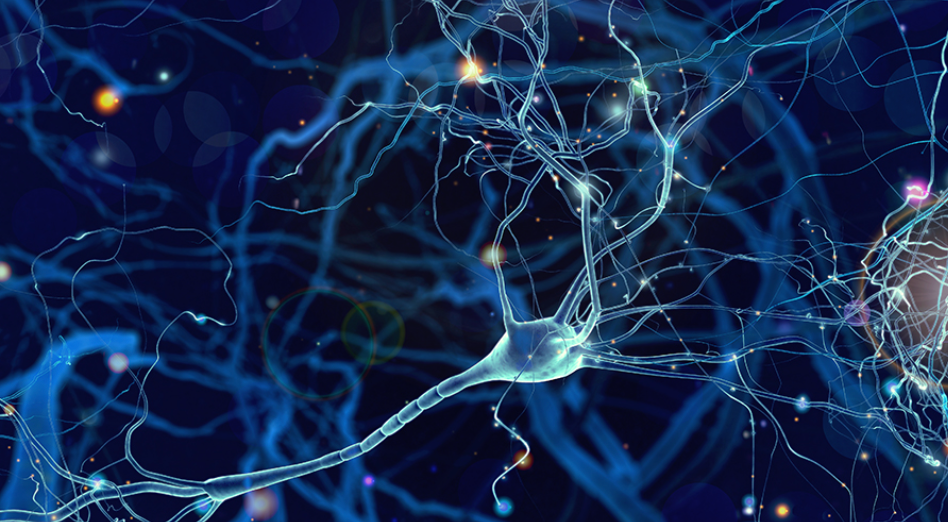
Your nervous system is your body's internal alarm system. It's constantly scanning your environment, asking: "Am I safe right now?" When it senses safety, you're calm, connected, present. You can think clearly, communicate effectively, and make decisions aligned with your values.
But when it senses danger (real or perceived) it activates your stress response. Fight, flight, freeze, or fawn. And here's the kicker: it doesn't differentiate between a lion chasing you and an uncomfortable conversation.
To your nervous system, stress is stress. A looming deadline. A crowded room. A difficult text message. Your body responds the same way it would to a physical threat: with cortisol, adrenaline, and survival mode.
And in survival mode? You're not your best self.
You're reactive. Defensive. Overwhelmed. You can't access your prefrontal cortex – the part of your brain responsible for rational thinking, emotional regulation, and thoughtful decision-making.
You're literally running on instinct. And that's why you keep repeating patterns you swore you'd break.
Your nervous system is calling the shots. And most of us don't even know it's happening.
Why You Can't "Think" Your Way Out
This is where traditional self-help falls short.
You read the books. You know what you should do. Set boundaries. Communicate clearly. Stay calm under pressure. Choose yourself.
But when the moment comes, your body betrays you. Your heart races. Your mind goes blank. You react before you even realize what's happening.
And then you beat yourself up for it. "Why can't I just do what I know I should do?" Because you can't think your way to calm when your nervous system is activated.
Your body has to feel safe first. Your nervous system has to be regulated. Only then can you access the part of your brain that makes intentional, values-aligned choices.
This is the missing piece. This is why willpower doesn't work. This is why positive thinking isn't enough. You have to work with your body, not just your mind.
What Nervous System Regulation Actually Looks Like
Nervous system regulation isn't about never feeling stressed. It's about:
Noticing when you're activated
Understanding what triggered the response
Having tools to bring yourself back to center
Responding from a regulated state instead of reacting from survival mode
It's the difference between:
Reacting: Someone criticizes you → instant defensiveness → you lash out or shut down → regret it later
Responding: Someone criticizes you → you notice your body tensing → you take a breath → you pause before speaking → you choose how to respond
One is automatic. The other is intentional.
One leaves you feeling powerless. The other gives you back control.
The Signs Your Nervous System Is Running the Show
You might be in chronic survival mode if:
You're constantly on edge, waiting for the other shoe to drop
Small stressors feel overwhelming and send you into a tailspin
You swing between anxiety (fight/flight) and numbness (freeze)
You struggle to fall asleep or stay asleep because you can't shut your brain off
You snap at people you love over minor things
You feel exhausted even when you haven't done anything physically demanding
You have trouble making decisions or thinking clearly under pressure
You people-please compulsively because conflict feels dangerous
You avoid certain situations because they make you feel "too much"
If any of these sound familiar, your nervous system isn't dysregulated because you're broken. It's doing exactly what it was designed to do: protect you.
The problem is, it's protecting you from threats that no longer exist. Past wounds. Old patterns. Perceived dangers that aren't actually dangerous.
And until you teach your body that it's safe, it will keep running the same program.
How to Take Back Control: The Path to Regulation
Taking back control doesn't mean suppressing your emotions or "toughing it out." It means giving your nervous system what it needs to feel safe so you can show up as your whole self.
Here's where to start:
1. Build Awareness
You can't regulate what you don't notice. Start paying attention to your body's signals.
Where do you feel stress in your body? Tight chest? Clenched jaw? Shallow breathing?
What situations consistently activate you? Certain people? Environments? Topics?
What does your body do when it's calm vs. activated?
Awareness is the first step to intervention.
2. Learn to Regulate in Real Time
When you notice activation, use these tools to bring yourself back:
Breathing: Try box breathing – inhale for 4, hold for 4, exhale for 6, hold for 2. Repeat. This signals to your body that you're safe.
Grounding: Press your feet into the floor. Name 5 things you can see. Touch something with texture. This brings you back to the present moment.
Movement: Shake it out. Literally. Move your body for 60 seconds. Walk. Stretch. Release the activation physically.
Self-soothing: Place your hand on your heart. Hum. Wrap yourself in a blanket. Give your body signals of safety.
3. Create Daily Regulation Practices
Don't wait until you're in crisis mode. Build regulation into your daily routine:
Start your day with breathwork or gentle movement
Take breaks to check in with your body throughout the day
Spend time in nature (your nervous system loves this)
Limit caffeine and doomscrolling (both activate your system)
Prioritize sleep and rest without guilt
Consistency compounds. Small daily practices create a more resilient nervous system over time.
4. Reframe Your Activation
Your nervous system isn't your enemy. It's trying to protect you.
When you feel anxiety rising, instead of fighting it, try: "My body is trying to keep me safe. I'm not in danger. I can handle this."
This compassionate reframe helps your system calm faster than shame or frustration ever will.
5. Work With Your Capacity
Stop overriding your limits. Your nervous system has a capacity for stress, and when you consistently exceed it, you stay stuck in survival mode.
Learn to say no. Set boundaries. Protect your energy. Rest before you're empty.
Honoring your nervous system's capacity isn't weakness. It's wisdom.
From Reacting to Responding: What Changes
When you learn to regulate your nervous system, everything shifts.
You stop snapping at your partner over small things because you can catch yourself before you react. You set boundaries without the guilt spiral because your body feels safe saying no.
You make decisions from clarity instead of fear because you're not operating from survival mode. You handle conflict without shutting down because you've given yourself the tools to stay present.
You sleep better, think clearer, and show up more authentically because your system isn't constantly in overdrive.
This isn't about becoming "chill" or never feeling stress again. It's about having agency.
It's about moving from: "My emotions control me" to "I can feel my emotions and still choose my response."
It's about moving from: "Life happens to me" to "I respond to life with intention."
Your Nervous System Is Not the Problem—It's the Solution
Your nervous system isn't broken. It's brilliant. It's kept you alive through everything you've survived. But what helped you survive might be keeping you from thriving.
The hypervigilance that protected you as a child might be creating anxiety now. The shutdown response that got you through trauma might be blocking intimacy now. The people-pleasing that kept you safe might be betraying your authenticity now.
The same system that protected you can be retrained to support you. You don't have to stay stuck in survival mode. You don't have to keep reacting to life and regretting it later. You don't have to live at the mercy of your nervous system.
You can learn to regulate. You can learn to respond instead of react. You can learn to take back control – not through force, but through understanding, compassion, and practice.
Your nervous system has been running the show for long enough.
It's time to become the director of your own life.
Ready to Stop Reacting and Start Responding?
If you're tired of feeling like your emotions control you, if you're ready to break free from survival mode and start living with intention, it's time to do the work that actually works.
Not more information. Not another book. Integration.
The SHINE BRIGHT Program is a 90-day journey that teaches you to regulate your nervous system, reclaim your energy, and live life on your terms.
You'll learn to:
Understand and work with your nervous system instead of against it
Build daily practices that create lasting regulation
Move from reactive patterns to intentional responses
Live as your WHOLE self – grounded, present, and purposeful
Stop letting your nervous system run the show. Take back control.
Your body has been trying to tell you something. It's time to listen.


Comments